
Okay, so check this out—multichain wallets aren’t just a checklist item anymore. Wow! They matter because your assets live on more than one ledger, and your tools need to keep up. In practice that means smooth chain switching, sane gas estimates, and clear UI cues so you don’t sign somethin’ you regret.
Here’s what bugs me about a lot of wallet extensions: they assume everyone understands RPCs and nonce management. Seriously? Most users just want to see their NFTs, send tokens, and not get phished. Initially I thought more features were the answer, but then I realized that complexity without clarity is just a bigger attack surface. On one hand, rich features let power users compose DeFi and NFTs across chains; on the other hand, every new provider, every injected script, every permission request is a potential vulnerability—though actually there are ways to design around a lot of those risks.
My instinct says trust is built in layers. Hmm… trust starts with basic things like deterministic seed management and hardware wallet support. Then you add permission controls, transaction previews, and provenance checks for NFTs so users can see where art came from and whether metadata is pinned. Check the contract, check the collection, and don’t blindly approve marketplace spending approvals. I know that sounds obvious, but it’s not a default in many wallets today.
Look, the UX side is huge. Wallets must explain gas in plain English. They must show which chain a transaction will hit and the expected cost in USD. They must let users switch RPC endpoints without breaking token balances. Here’s a bit of nuance—faster is not always better; predictable is. When a wallet extension hides chain switching or auto-converts a nonce, users get surprised and then they blame the chain. The real fault is the wallet UX.
Security first, but make it usable
I’ll be honest—I get annoyed when security features make a product unusable. I’m biased, but if a wallet locks users out with too many confirmations they will look for shortcuts. That tension is real. You want on‑chain safety measures like transaction replay protection, anti‑phishing domain checks, and hardware signing, but you also want onboarding that’s friendly. For extensions, background permission models should be granular, not all‑or‑nothing.
One practical pattern that works is staged permissioning: allow read‑only access for portfolio views, and require explicit user action for signing or contract approvals. Developers should also present human‑readable transaction summaries before signature requests so users aren’t lost in ABI gibberish. It’s very very important to translate calldata into plain verbs—”list NFT for sale” instead of raw bytes. Oh, and by the way… audit badges help, but they are not a silver bullet.
Interoperability matters too. Wallets must handle multiple token standards across chains—ERC‑20, ERC‑721, ERC‑1155 and equivalents on non‑EVM chains—so users can manage fungible tokens and NFTs together. They should also surface provenance: where is the NFT metadata stored? Is it on IPFS, Arweave, or a centralized CDN? That context affects value and longevity, and users deserve to see it without digging through Etherscan.
Why browser extensions still win for many users
Extensions are immediate and integrated with the sites you visit. They can intercept web3 calls and offer contextual help. That’s powerful. Yet that tight integration is also risky because malicious pages can attempt to trick you into signing a transaction. So extension architecture needs to limit exposure—sandbox interfaces, explicit domain approval lists, and clear UI indicators for the origin of a signing request.
Wallet extensions that support hardware keys give users an extra safety net. A cold device that validates the transaction details on its screen closes a big attack vector. But hardware support alone isn’t enough—extensions must also guard seed creation, backup flows, and recovery words, and they should discourage clipboard copy of sensitive data. Some wallets also offer social recovery as an option for less technical users, which is neat but it must be implemented carefully to avoid centralization risks.
Now, if you’re thinking “what should I look for?”—start with these basics: deterministic seed (BIP‑39/BIP‑44 compatible), optional hardware integration, clear permission prompts, multisig or social recovery options, multi‑chain RPC flexibility, and transparent NFT metadata. Also check how the extension handles custom RPCs and chain additions; a wallet that hard‑breaks when you add a less common chain is not helpful.
Real world flows: NFTs, approvals, and the gas puzzle
NFT interactions often involve approving marketplaces to transfer tokens on your behalf. That approval step is the most abused vector, because a careless “Approve All” can let a rogue contract sweep your collection. Fix? Use per‑token approvals, or time‑limited allowances, and show explicit warnings. Some wallets simulate the approval impact—showing you what addresses will be able to do—and that’s a huge win.
Gas estimation across chains is messy. L1s, rollups, sidechains—each handles fees differently, and wallets need to normalize that into something users actually understand. Show the fee ranges, show speed options, and give a non‑technical estimate in USD. Also, remind users of refundability where relevant—some rollups let you batch or cancel, others don’t. Initially I thought a single “fast/slow” slider would be fine, but wallets need to reflect chain differences more explicitly.
And seriously, metadata previews matter. When a site asks to transfer an NFT, the wallet should show the artwork, the collection name, rarity if known, and the token’s provenance. That one single view reduces scam losses dramatically.
Where truts wallet fits in
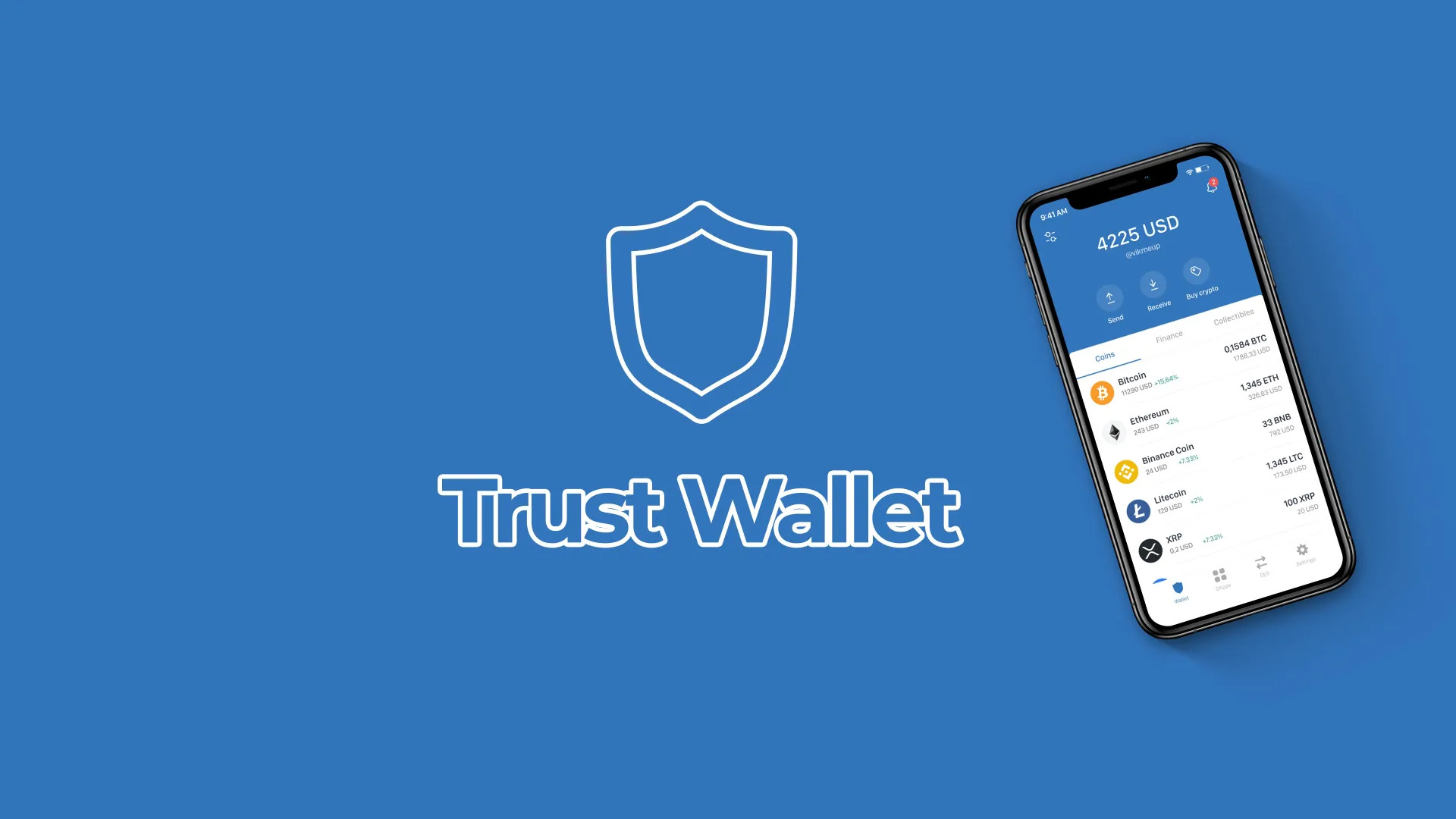
For folks hunting for a balanced option that blends multichain support, extension convenience, and NFT‑focused UX, consider checking out truts wallet. It aims to present chain context clearly, supports a range of wallets and hardware, and surfaces NFT details in the signing flow. I’m not endorsing blindly—do your own research—but it’s a practical example of the kind of product that gets the basics right without overwhelming users.
That said, no wallet is perfect. Some features still need maturity—cross‑chain swaps with true atomicity, better on‑chain metadata standards, and simpler recovery for non‑technical users. The ecosystem is still evolving, which is exciting and also a little messy. You have to stay curious, skeptical, and cautious all at once.
FAQ
How do I keep my NFTs safe in a browser extension?
Use hardware signing for high‑value items, avoid blanket approvals, inspect the recipient contract, and prefer wallets that show NFT metadata and provenance before signing. Also maintain a small hot wallet for daily use and a cold wallet for long‑term holdings.
Can a multi‑chain wallet prevent all scams?
No. A smart wallet reduces risk by offering clear warnings, permission granularity, and transaction previews, but user behavior still matters. Education plus good tooling is the practical approach.
Is browser extension security better than mobile wallets?
Each platform has trade‑offs. Extensions are convenient and browser‑integrated; mobile wallets have different sandboxing and biometric options. Choose based on your workflow and threat model, and consider using both with hardware support where possible.